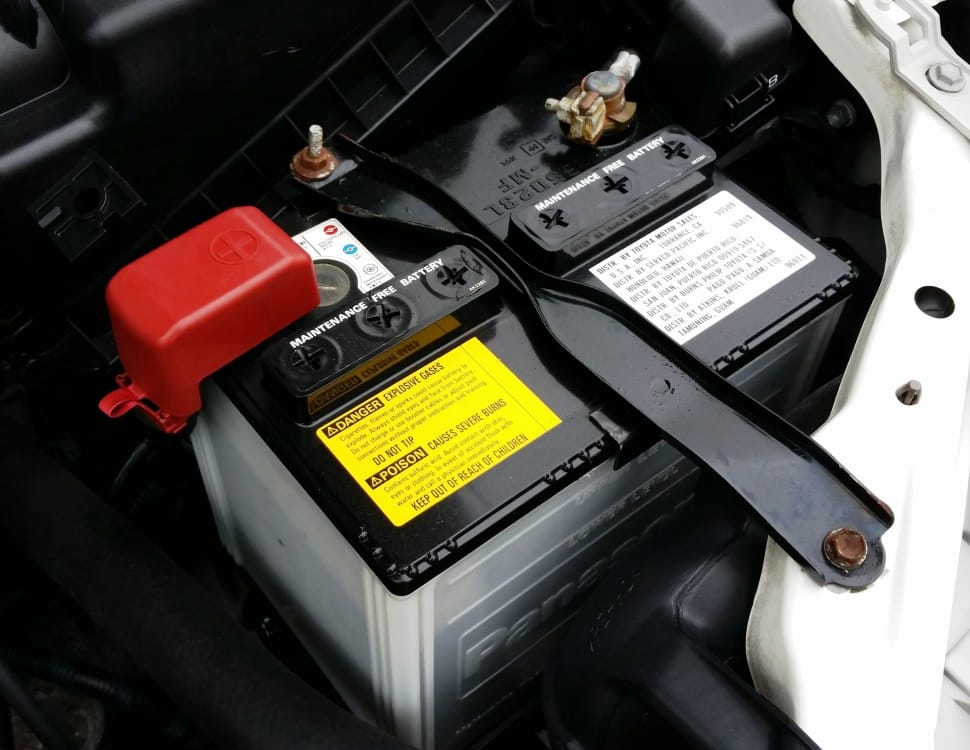
In recent years, manufacturers have introduced a lot of safety and comfort systems on production cars. And in order to keep these new technologies alive, car batteries have evolved. They are no longer just the classic lead-acid ones that you knew from old Dacia models, but now they are batteries that must withstand even more frequent charging cycles, but also faster discharges. That is why car batteries have evolved a lot in recent times, and customers’ choices can be more difficult. In addition, do not forget that although the general specifications of some batteries are almost identical, also take into account the quality of manufacturing.
I know that on the market you can find cheap batteries and expensive batteries on whose general details you will find the same values. Just do not forget that two batteries, for example, of 60 Ah, one cheap and one expensive, will have different values of current intensities. For example, the more expensive 60 Ah battery can provide up to 640 A, while the cheap battery could only provide you with 540 A. And this value will certainly affect the cold start of the engine.
Cold start is measured at -17.8 degrees Celsius for 30 seconds. And the differences in resource availability come from the different structure of the batteries. In the more expensive battery, walls made of fiberglass reinforced material will appear between the lead plates that retain sulfuric acid and reduce the risk of its stratification. In other words, they eliminate possible energy losses. On the other hand, cheaper batteries do not have this manufacturing technology, and hence the difference in intensity offered during cold start. Also, the structure of the more expensive battery will withstand more charge/discharge cycles, which simply translates into a longer use time.
Now that we have briefly clarified the major differences between an expensive and a cheap battery, let’s move on to AGM and EFB/AFB batteries.
Generally, these batteries are used in cars that use start-stop systems (the car’s engine stops and starts automatically).
EFB/AFB batteries are the lowest quality that can be installed on cars with a start-stop system. What is the difference between a normal battery and an EFB/AFB? In short, the positively charged plates also have a protective polyester layer that extends the life of the material. In other words, the battery will withstand even more charge/discharge cycles.
EFB comes from Enhanced Flooded Battery, and AFB comes from Advanced Flooded Battery. These are acronyms by which you will identify these better batteries.
The name AGM comes from Absorbant Glass Mat. The battery has a glass fiber element with a cellular structure designed to retain acid. In this way, the battery manufacturer will avoid gravitational stratification. Also, the mechanical resistance of these types of batteries is much better. If your car has an energy recovery system and a start-stop system, then the AGM battery is the one to choose. I hope you noticed the difference between AGM and EFB/AFB. If it is not clear, I will repeat it once again. An AGM battery will be installed in a model that also has a braking energy recovery system, that is, a technology that allows energy to be stored when the car brakes.
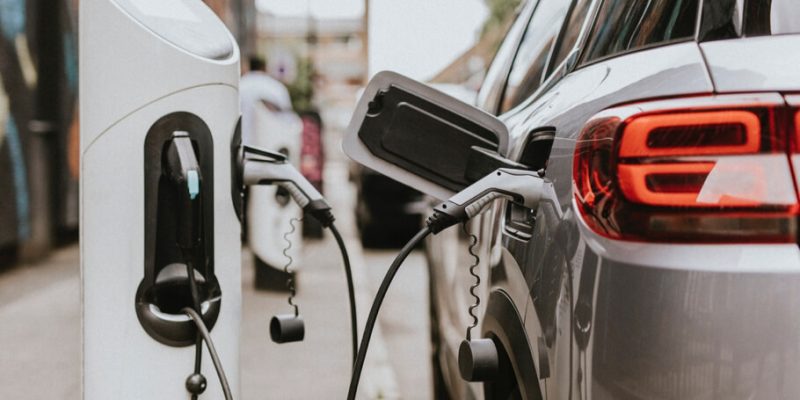
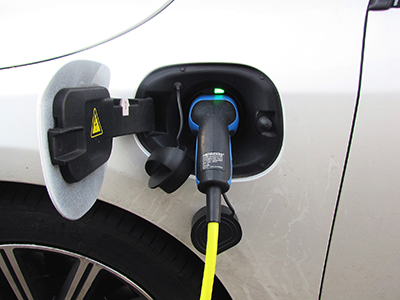
These are the three main types of batteries that manufacturers use in cars with internal combustion engines. Hybrid, plug-in hybrid and electric cars use similar car batteries, but the ones that feed the electric motors are completely different from lead-acid ones. Generally, those are Lithium-Ion batteries with much higher storage capacities that allow 100% electric running of vehicles. They will discuss those batteries in a future episode.