£10 off your next repair or service over £100 Call for details & to schedule your service today!

Engine Longevity: Why Your Oil Change Isn’t Optional

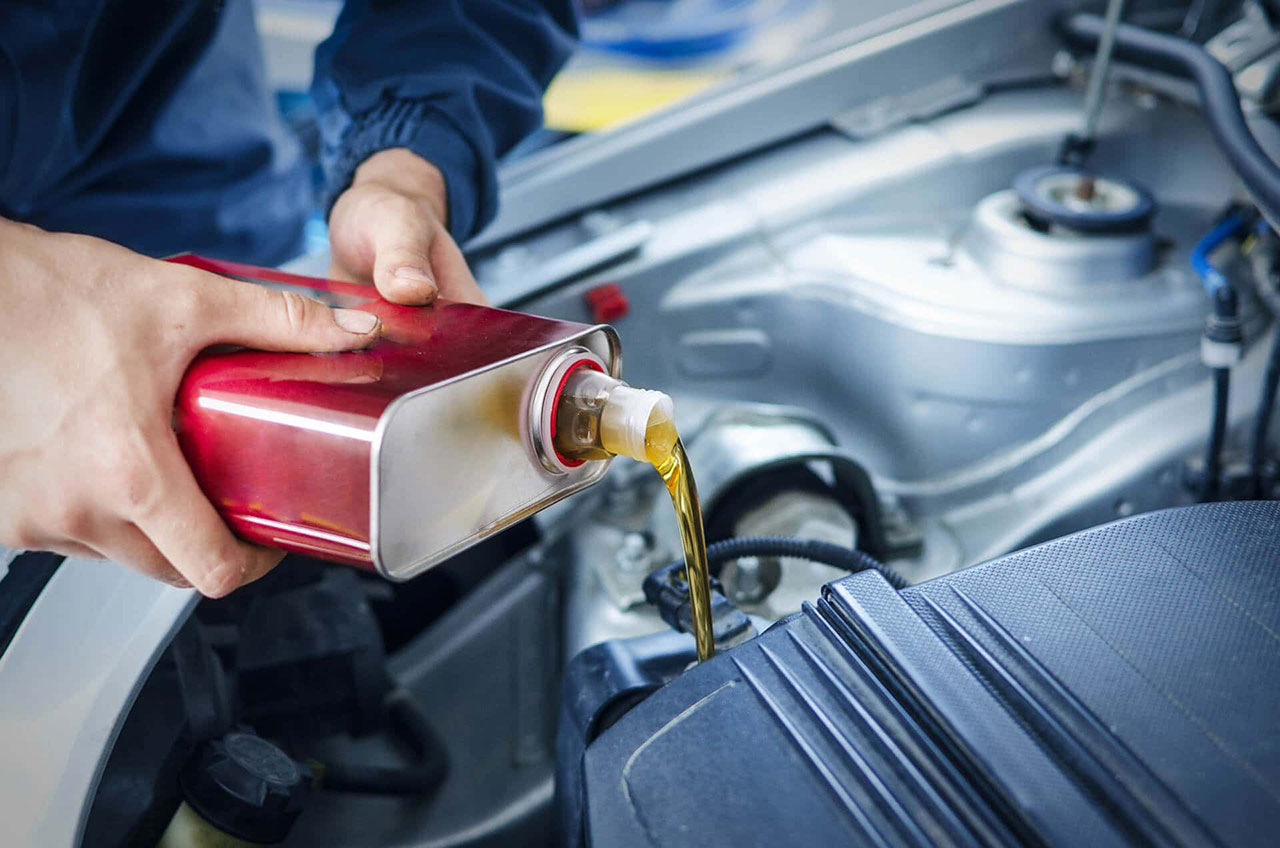
I’ve seen more “dead” engines than I care to count. Most of them didn’t go off because of old age; they got neglected. When we talk about a car oil change, we aren’t just talking about a chore—we’re talking about the literal lifeblood of your internal combustion engine.

How to Prevent Premature Engine Failure

  • Stick to Your Manufacturer’s Specifications Modern engines are built with incredibly tight tolerances. If your manual calls for 0W-20 full synthetic oil, don’t let a shop talk you into a cheaper 10W-30. The wrong viscosity grade won’t flow properly through the variable valve timing (VVT) solenoids, which can trigger a check engine light and tank your fuel economy. Always match the API certification required for your specific build.

  • Monitor Your Oil Levels Regularly Even a healthy engine can consume a small amount of oil between services. Checking your dipstick once a month is the cheapest insurance policy you’ll ever buy. If the level drops below the “Min” line, your oil pump might suck in air, causing a catastrophic loss of oil pressure. Keeping it topped off ensures the remaining oil isn’t overworked or overheated.

Drive in today for the ultimate Engine Protection Package:

Car oil change , Best oil for diesel and petrol car . How to change engine oil

Stop Stressing About Your Next MOT. Protect Your Engine Today.

Don’t let a simple engine oil change turn into a mechanical failure that leaves you stranded on the M1. In the UK’s damp climate and stop-start traffic, your motor oil works harder than anywhere else to prevent engine sludge and internal corrosion.

Vehicle service in West Bromwich UK. Georges Garage LTD, car garage near me. Service for Supercars

The Professional Oil Change Process

  • The Gravity Drain and Inspection A “mechanic’s” oil change starts with a hot engine to ensure the oil flows freely and carries away debris. We remove the drain plug and inspect the crush washer—always replace it to prevent leaks. While the oil drains, we perform a multi-point inspection, checking the undercarriage, CV boots, and suspension components for signs of wear that you might not notice while driving.

  • Precision Filter Installation Accessing the filter often requires removing an under-car splash shield. We use specialized oil filter wrenches to prevent crushing the housing. Before installing the new filter, we “pre-lube” the rubber gasket with fresh oil to ensure a perfect seal. It’s tightened to a specific “hand-tight plus a quarter turn” to ensure it stays put without stripping the threads.

  • The Final Fill and System Reset We fill the crankcase with the exact volume specified by the OEM data, then run the engine to circulate the fluid. After a few minutes, we re-check the level and inspect for leaks at the filter and plug. Finally, we use a diagnostic scan tool or manual sequence to reset your Oil Life Monitoring System (OLMS), ensuring your dashboard accurately tracks your next service.

The Expert Choice for UK Drivers

Our Level 3 IMI-Certified Technicians don’t just “swap the fluid.” We provide a comprehensive vehicle health check that keeps you road-legal and refined. Whether you’re driving a high-performance turbocharged petrol or a DPF-equipped diesel, we use only Manufacturer Approved (OEM) lubricants to protect your service history and resale value.

Our Signature Engine Care Package Includes:

  • Premium Fully Synthetic Oil (correct ACEA specification for your engine).

  • OE-Quality Oil Filter replacement for maximum filtration.

  • Full Under-Bonnets Fluid top-up (Coolant, Brake Fluid, Screenwash).

  • Professional Service Indicator Reset & Logbook Stamping.

  • Comprehensive Visual Safety Inspection (Tyres, Brakes, and Suspension).

event confirm

Opening Hours

Mon – Fri: 9:00 AM – 6:00 PM
Sat – Sun: Closed

Looking For a Place you can Trust to Keep your Vehicles Rolling. Book a Service

Book your Service

We offer a comprehensive range of professional after-sales automotive services that will not void your new car warranty.

 – we’re here to help.

Please complete and submit the following form, and one of our helpful team members will promptly contact you to assist with your booking request.


    Please Tell Us Your Reason for Scheduling an Appointment


    Faq's about Oil Change

    Most modern vehicles using full synthetic oil require a change every 7,500 to 10,000 miles. However, if you frequently drive in extreme heat or tow heavy loads, you should stick to a 5,000-mile interval. Always prioritize your manufacturer’s recommended service schedule to maintain your engine warranty.

    Absolutely. Synthetic motor oil offers superior molecular uniformity, meaning it resists breaking down under high heat and flows better in freezing temperatures. It contains advanced detergent additives that keep your engine cleaner for longer, making it the best choice for turbocharged engines and high-performance vehicle applications.

    The “W” stands for “Winter.” The first number represents the oil’s flow rate at 0 degrees Fahrenheit, while the second number represents the flow at 212 degrees. A lower first number means the oil stays fluid in the cold, ensuring your oil pump can lubricate your engine instantly.

    es, you can safely switch back, but it isn’t recommended for newer engines designed for low-viscosity synthetics. While mixing them won’t cause immediate damage, you lose the protective benefits of the synthetic chemistry. It is always best to stay consistent with high-quality synthetic fluids for peak performance.

    Oil turning dark is actually a sign that it is doing its job. The dispersant additives are successfully cleaning carbon deposits and soot from your engine and holding them in suspension. In diesel engines, the oil often turns black almost immediately due to high soot production levels.

    Overfilling can be just as dangerous as underfilling. Excess oil can be whipped into foam by the crankshaft, which prevents the oil pump from circulating it effectively. This lead to a sudden drop in oil pressure and can eventually cause your engine seals to fail or leak.

    Yes, professional mechanics always recommend a new oil filter with every service. A used filter is already saturated with contaminants and trapped debris. Installing fresh oil without changing the filter means you are immediately polluting your clean lubricant with the “junk” from the previous 5,000 miles.

    Post-service leaks are usually caused by a compromised drain plug gasket or a double-gasketed oil filter. If the old filter’s O-ring sticks to the engine block and a new one is installed over it, it will spray oil under pressure. This requires an immediate professional inspection.

    Fresh oil reduces internal friction between moving parts like pistons and valves. When your engine doesn’t have to work as hard to overcome “sludge-induced” drag, your fuel economy improves. Regular maintenance is one of the easiest ways to keep your MPG at factory-rated levels.

    Watch for an illuminated oil pressure light, audible engine knocking, or the smell of burning oil inside the cabin. If your oil looks gritty or milky on the dipstick, you have a serious contamination issue—likely a blown head gasket—and need a mechanic right away.

    Topping off only replaces the volume, not the quality. It does nothing to remove the acidic buildup, carbon soot, or metal shavings sitting in your oil pan. You must drain the old fluid to remove the harmful byproducts that cause long-term engine wear and internal corrosion.

    certified mechanic performs a comprehensive vehicle health check during an oil change. We inspect your braking system, tire tread depth, and fluid levels for other systems. Quick-lube shops often prioritize speed over accuracy, potentially missing critical safety issues that an expert would catch.

    For vehicles with over 75,000 miles, yes. High-mileage oil contains specific seal conditioners that help swell aging gaskets to prevent leaks. It also features higher concentrations of anti-wear additives like zinc (ZDDP) to protect older engine components that have slightly wider tolerances due to age.

    A documented history of regular oil changes is the best proof of vehicle maintenance. Prospective buyers and dealerships look for consistent service records in reports like CARFAX. A well-maintained engine significantly increases the market value and “curb appeal” of any used car or truck.

    Pull over safely and shut off the engine immediately. This light usually indicates a dangerous loss of oil pressure, not just a low level. Driving even a short distance with no pressure can result in a seized engine, turning a simple repair into a total replacement.