COMPLETE SUSPENSION SYSTEM REPLACEMENTS
The suspension system on a vehicle is between the frame and the road. As you know, its primary function is to maximize the overall performance of a vehicle as it cruises down the road.
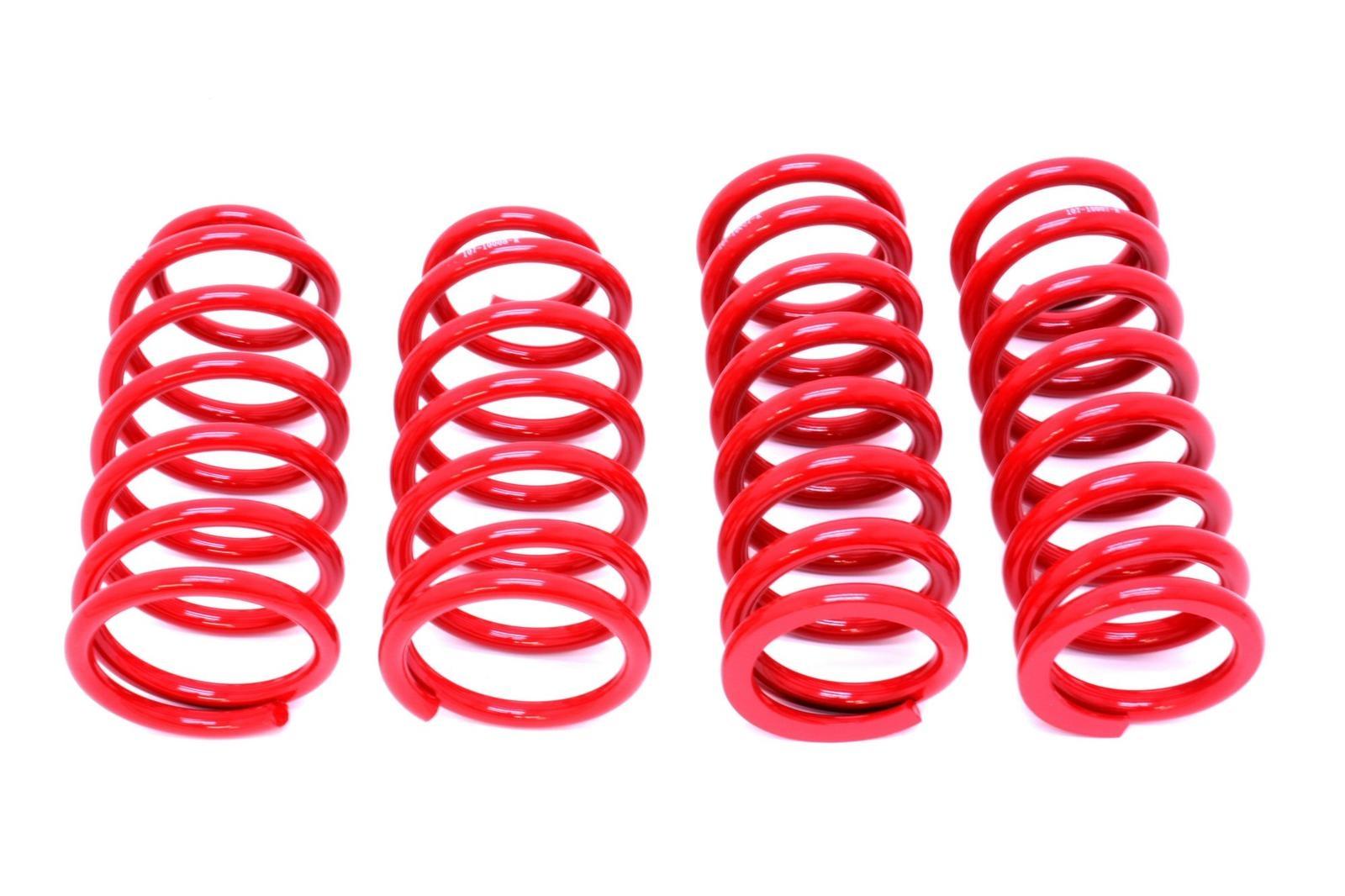
A worn suspension doesn’t just make for a bumpy ride; it actively increases your braking distance and causes rapid, unpredictable tire wear. Our technicians systematically evaluate every component of your chassis, hunting down microscopic play in ball joints, torn control arm bushings, and leaking MacPherson struts. We replace fatigued coil springs and dead shock absorbers with premium gas-charged units that instantly restore your vehicle’s factory ride height and cornering stability. By tightening your steering rack and eliminating clunks over potholes, we give you back a vehicle that feels tight, responsive, and completely planted on the road.
Easiest way to repair car suspension
Our service can help you with this.
SHOCK ABSORBERS
Your vehicle’s suspension system sustains a lot of wear and tear. When you drive over potholes, hit bumps in the road, crash into the curb, or get into a fender bender, these all take a toll on the suspension system. Because of this wear and tear, your suspension system requires regular maintenance.
The suspension system on your vehicle consists of the following parts:
- Coil springs
- Shock absorbers
- Rods/linkages and Joints
- Bearings / Bushings
Contact Info
Opening Hours
Mon – Fri: 9:00 AM – 6:00 PM
Sat – Sun: Closed
Service Centre
Looking For a Place you can Trust to Keep your Vehicles Rolling. Book a Service
Make an Appointment
We offer a comprehensive range of professional services for your car. Automotive services that will not void your new car warranty.
Please complete and submit the following form, and one of our helpful team members will promptly contact you to assist with your booking request.

What Maintenance Should I be doing and when?
These are generic service recommendations based solely on time or mileage not on visual appearance or measurement. Their purpose is to extend the life of your vehicle and help prevent breakdown. Your vehicle’s requirements may differ depending on driving habits and/or owner’s manual recommendations. Check your owner’s manual and with your auto mechanic for specifics.
How do I know when my car needs a tune up?
You may see your gas mileage decrease. Your vehicle may start running rough. If your check engine light comes on that could also be an indicator that your vehicle needs a tune up. The owner’s manual that came with your vehicle may suggest a tune up at a certain mileage.
Why do I need to have my engine oil changed every 3,000 miles?
The additive in the oil starts to break down as soon as it heats up to high temperatures. The engine in your vehicle will reach over 200 degrees almost every time you drive it. History has proven that the 3,000 mile mark is a good interval to have your engine oil replaced. You never want to just drain your engine oil out and put new oil in without changing the oil filter. The oil filter will hold about a quart of oil. If you do not change the oil filter when changing the engine oil in your vehicle you are combining your clean engine oil with deteriorated engine oil and this will lessen the effectiveness of the new engine oil you just put in your vehicle.
How often should I rotate my tires?
Your tires should be rotated every other oil change, or every 6000 miles. Neglecting to rotate tires is a major cause of premature tire wear.
Is it really necessary to replace my timing belt at the recommended interval?
YES. The failure of a timing belt in many cars can result in major engine damage. The cost of repairing an engine with a broken timing belt is much greater than the cost of a timing belt replacement.
What does it mean if my “check engine” or “service engine soon” light comes on?
There are many sensors and computerized components that manage your vehicle’s engine performance and emissions. When one of these fails, the “check engine” light is illuminated. Although your car may seem to run fine, it is important to have the issue addressed to prevent long-term problems.
What should I do if my car starts to overheat?
This is a very serious problem – if your car overheats for too long, you can damage your engine. As soon as possible, find a safe place to pull off the road and shut the engine off! Do not attempt to check the fluid level in the radiator; the hot fluid can cause severe burns. The best thing to do is have your car towed to Sanford’s Automotive Repair.
How do I make sure my car battery has a good electrical connection?
Battery cables and terminals should be cleaned and inspected periodically to make sure they provide a good electrical connection.
Should I consider using synthetic motor oil in my vehicle?
Synthetic motor oils can be a good choice for high output, turbocharged or supercharged engines. Or for vehicles that are used for towing (especially during hot weather), and vehicles that operate in extremely cold or hot climates. Although more expensive than mineral-based oils, synthetic motor oils can improve fuel economy and provide longer intervals between changes.
Why does my brake pedal vibrate when I’m slowing down from freeway speeds?
The most common cause is excessive warping of the brake rotor. This is caused by improper tightening of the wheels or wheel hubs that are not properly cleaned when the rotors are installed after a brake job or tire rotation, or it could be a bad hub. The problem does not show up right away, it can take a few hundred miles of driving, or getting the brakes hot enough for the vibration to show up. To solve this problem, the mechanic must first determine if the rotors are warped, the hubs are dirty, or if it a bad hub. The rotors can be machined if there is enough material on the rotor to machine it properly without going below minimum thickness required for a safe rotor, or the rotor must be replaced. If the hub is the problem it must be cleaned properly, the rotor reinstalled, and the smoothness and straightness (run out) rechecked.