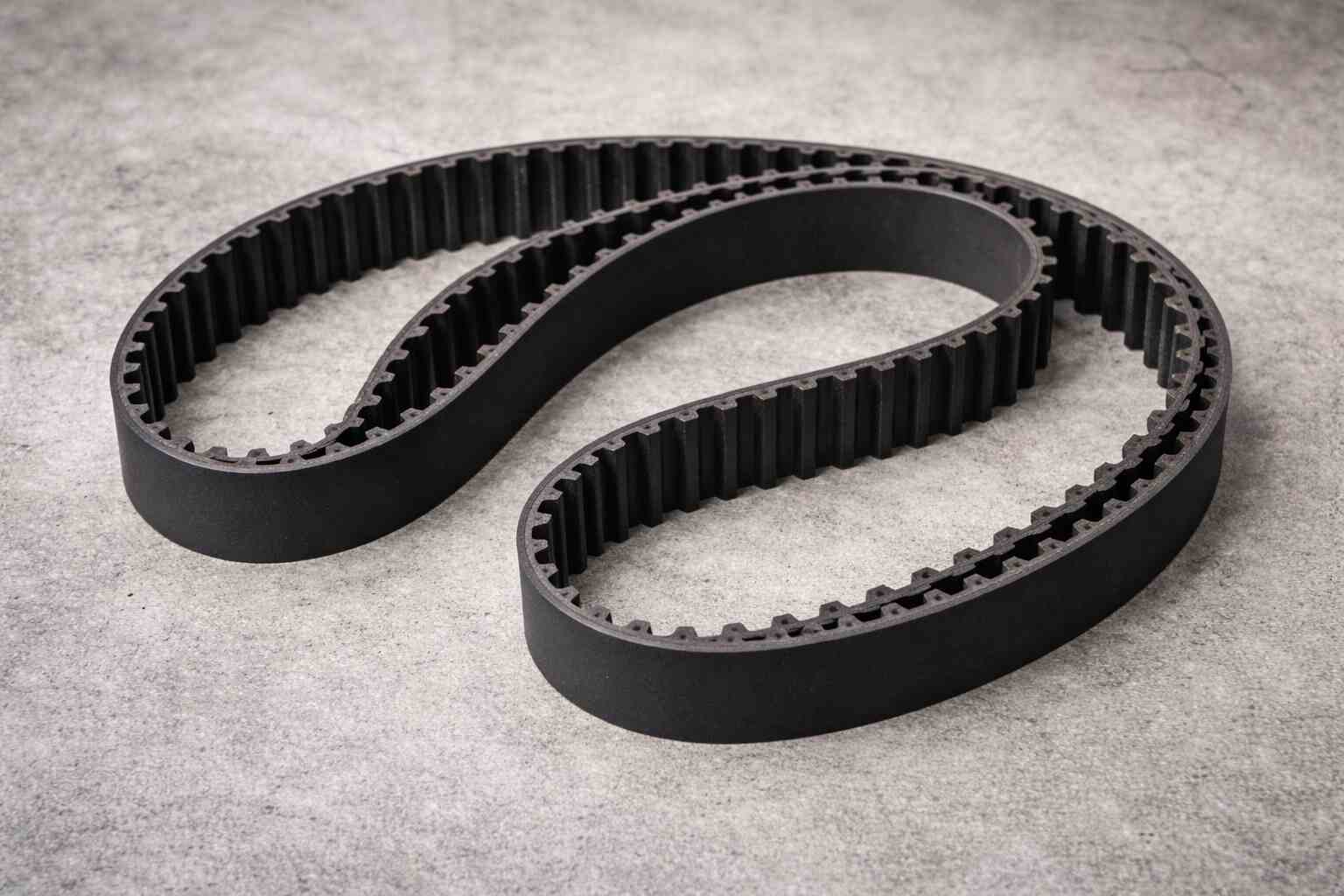
Timing belt – components, signs of wear and importance in engine operation
Your car’s engine is a complex mechanism, where perfect synchronization of components is vital. The timing belt plays a fundamental role in the smooth operation of the engine. Have you ever wondered what happens if this component fails?
In this guide, we’ll explore the role of the timing belt, its components, signs of wear, and recommended replacement intervals so you can make informed decisions to keep your car in top condition.
Summary:
- The timing belt ensures perfect engine timing. This essential component coordinates the movement of the pistons and valves. If it fails, it can cause them to collide and cause serious defects such as bent valves or cracked cylinder heads.
- A complete timing kit is safer and more durable. In addition to the belt, the kit includes the rollers and, often, the water pump. Replacing all components at the same time reduces the risk of failure and ensures optimal long-term operation.
- Early signs of wear are rare or easy to ignore. Unusual noises, fluid leaks, and a hard engine start can all indicate timing problems. Without prompt intervention, these signs can develop into costly failures.
- It is important to follow the replacement interval. Even without obvious signs, belts deteriorate over time. They should usually be replaced every 60,000–120,000 km or 5–7 years, regardless of mileage.
- Changing the belt after purchasing a used car is a safety measure. Without a verifiable service history, you have no certainty about the condition of the belt. Preventive replacement eliminates risks and protects your investment in the engine.
Are you looking for a Timing Belt replacement?
Don’t hesitate and contact us now.